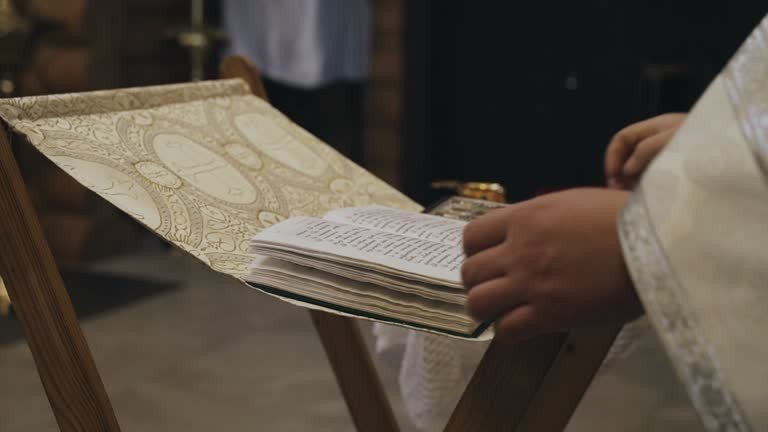
The Catechism is often mentioned in conversations about faith formation, yet many people still pause when asked what it actually teaches. It’s familiar but not always fully understood. And that leaves room for curiosity. The phrase carries history, community, and a sense of passing something important from one generation to another. It’s no surprise that many have begun searching what is catechism to understand its true purpose.
This topic isn’t just about church programs or childhood classes. It’s rooted in a desire for spiritual grounding. It taps into the human urge to learn, to make sense of the world, and to connect with something larger. Some even link it to bigger questions like How to know the meaning in life or What makes life meaningful, because teachings shape journeys. But before diving into those deeper currents, it helps to slow down and look at what this long-standing tradition really aims to build.
A Timeless Mission: The Origins of the Catechism
The word Catechism comes from the Greek katēkhein, meaning “to instruct orally” or “to teach by word of mouth.” At its heart, a catechism is simply a summary of fundamental Christian beliefs, usually presented in a question-and-answer format for ease of memorization and instruction. Catechism has existed, in some form, from the time of the Apostles unto this day.
However, in a formal sense, the Catechism began in 1539 in Milan, Italy. Europe was in the throes of the Protestant Reformation. New theological ideas were spreading rapidly, often finding fertile ground because many ordinary Christians lacked a deep, systematic understanding of their own faith. Ignorance wasn’t bliss; it was a crisis.
Enter a dedicated priest, Father Castellino da Castello. He saw the urgent need for accessible, organized religious instruction, especially for the poor children of the city. He didn’t wait for a bishop or a council to fix the problem; he simply started gathering volunteers—lay men and women—to dedicate themselves to teaching the essentials of the faith and the basics of Christian living. This organized effort, known historically as the Confraternity of Christian Doctrine (CCD), became a model for structured faith education.
In fact, structured catechetical instruction has been a cornerstone of Christian churches throughout history. For centuries, from the publication of Luther’s Small Catechism to the Westminster Shorter Catechism, and the centuries of Catholic instruction before the modern era, nearly all Christian traditions utilized some form of catechism to ensure every believer knew the core tenets of the faith. It has only been in the last 50 years or so that this essential method of systematic teaching has declined in many denominations.
More Than Just Classes: The Three-Fold Mandate of Catechesis
When we look at the core of catechesis’s teaching, we realize it’s much broader than just Sunday morning classes. The purpose of the Catechism has always been rooted in the Church’s ancient catechetical mission, which can be broken down into three essential areas:
- Imparting Knowledge of the Faith (Knowing): This is the intellectual component. It involves teaching the foundational truths contained in the Catechism: the doctrines, the moral law, the history of salvation, and the meaning of prayer. It’s about clarity and accuracy, ensuring believers know what the Church believes and why. It answers the big questions about God, creation, sin, and redemption using the language and framework of the Church. Without this clarity, faith remains merely sentimental.
- Moral Formation for Christian Living (Doing): Doctrine cannot remain theoretical. The Catechism’s teaching has always stressed that knowledge must lead to action. This component focuses on the moral life, applying the concepts of the Holy Bible to daily ethical decisions. It’s about forming consciences and guiding individuals to live a life worthy of their Christian calling, fostering charity, justice, and personal holiness.
- Initiation into Liturgical and Prayer Life (Worshiping): A Christian life is defined by its participation in the Sacraments and its constant dialogue with God. The Catechism teaches Biblical principles and precepts but how to participate in them fully and actively. It teaches the art and necessity of personal and communal prayer, ensuring that the student is fully integrated into the Church’s life of worship.
The Ultimate Goal: Finding Meaning in God’s Story
When students, from children to adult converts, sit in a catechism class, they are learning far more than a set of historical facts or moral rules. They are learning their place in the universe. They are learning the definitive answer to the human quest for purpose.
It is natural for every person, at some point in their journey, to stop and ask the existential questions: “What makes life meaningful?” and “How to find meaning in life.” By teaching the core of Christian doctrine, the Catechism curriculum, provides a comprehensive, eternal response.
It teaches that life is meaningful because:
- We were created by Love: The doctrine of creation shows us we are not accidents, but masterpieces willed into existence by a loving God. God did not need to create us but did so
- We were saved for Relationship: The doctrine of redemption shows that Christ’s sacrifice restored our broken relationship with God due to sin. Now we have a personal relationship with God through Christ’s atonement.
- We are destined for Joy: The doctrine of the Final Things (Heaven) provides an ultimate goal—union with God—that gives every earthly action its true value and direction.
The Epic Call to Intentional Discipleship
The Catechism stands as a powerful testament to the Church’s unwavering commitment to intentional discipleship. It teaches the faithful not only what to believe but how to live, how to pray, and how to participate fully in the life of grace. Billy M. Murchison, Jr.’s book, “Doctrine is Vital: Essential Food for Christian Living”, clearly lays out the importance of sound biblical doctrine in the life of every Christian. It is a clarion call for every church to systematically teach the uncompromising truths of the Christian faith. It is a challenge for disciples of the Lord Jesus Christ.
Billy M. Murchison, Jr. recognizes that doctrinal knowledge must lead to personal, courageous action. His work, “Becoming God’s Epic: Fulfilling Your Purpose in Christ”, is a vital roadmap designed for the everyday Christian who has grasped the basics of the faith and is now seeking to live it out with meaning and unwavering direction. He expertly encourages readers to take the truths taught by the Church’s doctrine and apply them to their unique life vocations. Through a blend of sound biblical wisdom and deeply personal reflection, he challenges readers to walk boldly into the purpose God has already written for their lives.
The ministry of “Becoming God’s Epic” is essentially a call to live faithfully, intentionally, and courageously, mirroring the dedication shown by the countless catechists of the Church. This dedication and action resulted in millions of lives changed. Will you join them?
Read More